Introduction:
In the agricultural landscapes of North East India and North India, gender dynamics are completely different. In North India, a male person is considered a farmer, and in the North East, especially women are leading the farming ecosystem in Meghalaya. “So, society and its generational practices, with a lot of baseless assumptions, shape the roles and participation of men and women in farming activities.” While Chhattisgarh reflects a disparity in acknowledging women’s contributions to agriculture, the North East presents a contrasting picture where women take on leadership roles in agricultural endeavors. In Chhattisgarh, most cases of agricultural land ownership belong to male members of the family, whereas in Meghalaya, it is owned by women, and it is traditionally and primarily governed by the customary laws and practices of the people. In this blog, we delve into the nuanced views and perspectives surrounding gender issues in agriculture, offering insights from both regions.

Glimpse of Chhattisgarh:
In Chhattisgarh, despite women’s significant involvement in various agricultural tasks, they often remain marginalized in mainstream discussions and are rarely recognized as ‘women farmers’. It was noted that the involvement of women in the agricultural ecosystem is beyond agriculture and also includes allied activities such as managing livestock, which are used in agriculture activities. Traditionally, women undertake a myriad of roles in agriculture, from sowing seeds and tending crops to post-harvest activities such as threshing and winnowing. However, patriarchal norms and cultural biases contribute to their invisibility in agricultural discourse and decision-making processes. The absence of recognition and support for women farmers perpetuates gender inequality and hampers the realization of their full potential in agricultural development.
Women’s Leadership in Meghalaya:
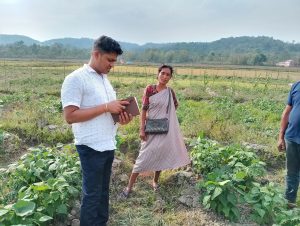
Conversely, the North East of India presents a contrasting narrative where women play a lead role in all aspects of society, including agriculture. In states like Meghalaya, matriarchal traditions empower women to take charge of farming activities, land management, and household affairs. Women in Meghalaya are not only actively involved in agricultural production but also assume leadership roles in community-based organizations, cooperatives, and self-help groups. Land rights belong to women heads of families, and it gives them an entitlement that empowers them for decision-making in all spheres of household affairs, including agricultural activities. During an interaction, it was revealed that women used to decide the category of seeds/crops to be planted for the season. Their contributions to agriculture are acknowledged and valued, fostering a more inclusive and equitable agricultural landscape.
Breaking Stereotypes and Promoting Gender Equality:
The disparity between Chhattisgarh and Meghalaya underscores the urgent need to address gender biases and promote women empowerment in agriculture. Recognizing and valuing women’s contributions as farmers and decision-makers is essential for achieving gender equality and enhancing agricultural productivity.
In Chhattisgarh, efforts must be made to amplify women’s voices in agricultural discussions, provide access to resources and training, and challenge existing stereotypes that undermine their rights and entitlements. Similarly, lessons from the Meghalaya can serve as inspiration for fostering women’s leadership and participation in agriculture across India, promoting gender-responsive policies and practices that empower women as key agents of change.
Conclusion:
As we strive towards a more inclusive and sustainable agricultural sector, it is imperative to recognize and address gender disparities in farming communities. By amplifying women’s voices, promoting their leadership, and ensuring their equal participation in agricultural decision-making, we can create a more resilient and equitable food system. This will ensure nutritious meals, as women often take the lead at the household level. Let us embrace the diversity of perspectives and experiences from Chhattisgarh to the Northeast, working together to cultivate a future where gender equality flourishes in every field of the agriculture ecosystem.


