Masculinity and femininity play a role in sport participation. For a long time, athletic activities were seen as the domain of males, and in many societies, it was considered inappropriate for women to engage in them. There has been a temptation to compare men and women in this field. Levels of pressure on young women in male-dominated elite competitions lead to many women turning away. However, the physiology of men and women is different, and it would not make sense to compare their abilities.
Additionally, factors such as caring for the family, housework, lack of sports facilities and training opportunities, insufficient skills, risk of harassment, and the absence of female role models and coaches, influence women’s participation in sports. Additionally, COVID-19 has significantly impacted the mental health and well-being of women. Public health restrictions have affected education, safety, and development, widening existing societal inequalities.
Sport programs are often used to build “social bridges” and peace by nurturing qualities and skills in young people such as confidence, self discipline, teamwork, and breaking down stereotypes. This leads them to experience personal transformation and they can learn about topics such as personal hygiene, reproductive rights, financial literacy, etc.
Sport promotes physical and mental well being, and can help promote gender equality. It can give women the access to public spaces where they can develop new skills, enjoy freedom of expression, build networks and leadership skills vital for their empowerment, develop a sense of ownership over their bodies, and make choices about their lives.

While sport empowers women, one of the experiences of female athletes that need to be considered in sport programs is the menstrual cycle. Each stage of the menstrual cycle can affect sporting performance in different ways. Not taking it into consideration affects women and girls’ participation in sport. A Time magazine (2023) article explains that women athletes have been conditioned to ignore their cycle to gain access to sport, and menstruation is often viewed through the lens of reproduction. Period related symptoms can cause women to change their routine, underperform or at times miss their practice/ game. At times, female athletes are left with no strategies except using pain relievers or heating pads while competing at the highest levels of sport. Research indicated that in elite sport, a majority of players felt reduced power and increased fatigue and more than half the players found their recovery time to be affected.
The stigma around menstruation and sport is very much alive today, at times, at times suggesting that it can be a handicap for athletic performance. Women and girls face many challenges while playing sport, including the struggle to access menstruation products, lack of sanitation and hygiene facilities, lack of knowledge on period product disposal, fears about pain or heavy periods, lack of information surrounding how the menstruation cycle works and how it affects sport performance, etc.
Additionally, the social and cultural setup in India does not allow adolescents to talk freely about menstruation. Taboos and stigma surrounding menstruation along with restrictions creates a difficult environment for girls to participate. A study by Rather, Khan and Kaiser(2018) interviewed 158 female athletes in Aligarh, and reports that the knowledge of the participants about menstruation and related problems was weak, and they believed that sport participation hampers periods. Additionally, many participants in the study were found to suffer from menstruation related problems such as weight gain and loss, irregular period, pain, etc. Athletes did not have a good understanding of menstrual disorders and discomfort.
Physical changes during puberty means that there can be changes in athletic ability regarding balance, speed, coordination. If female players or families are not aware of the changes, this can be a source of demotivation in their chosen sport, leading them to give up.
In addition to seeking treatment from doctors and access to proper information about menstruation, athletes must also get adequate nutrition for the exercises they do. Between 10-20 years of age, it is important to establish an individuals’ relation with food, and the connection between diet, exercise and body image. In the period of adolescence, more protein is required too, to support general growth and development, in addition to providing required input for training.
Without required adjustments made in nutrition, it can lead to low energy availability (LEA), symptoms of which can include disrupted periods, mood changes, fatigue, illness, increased injury rates, affecting bone and menstrual health. Nutrition is also important for girls’ overall health. An article by newsroom (2022) also provides the example of iron deficiency, which has been shown to be greater in girls than boys. This is the case even in India. This can be treated, by better nutrition and health knowledge, leading to improved dietary practices, which if untreated may leave young women feeling unmotivated, lethargic and exhausted from participating in sport.
Lack of discussions about the impact of menstruation on sport performance keeps women from understanding a part of their body’s physiology. Girls drop out of sport at a higher rate than boys during puberty, one of the fears related to menstruation being that it would get in the way of their athletic pursuits. New-Zealand based research by Sport New Zealand showed that by age 17, young women spend 28% less time in physical activity than male counterparts. The effects of menstruation influences energy levels, muscle and bone growth, metabolism and much more, and its effects are real on how women feel when their body is adapting to training. Starting conversations around these topics can help women identify areas where they may need more support in managing symptoms and get proper training.
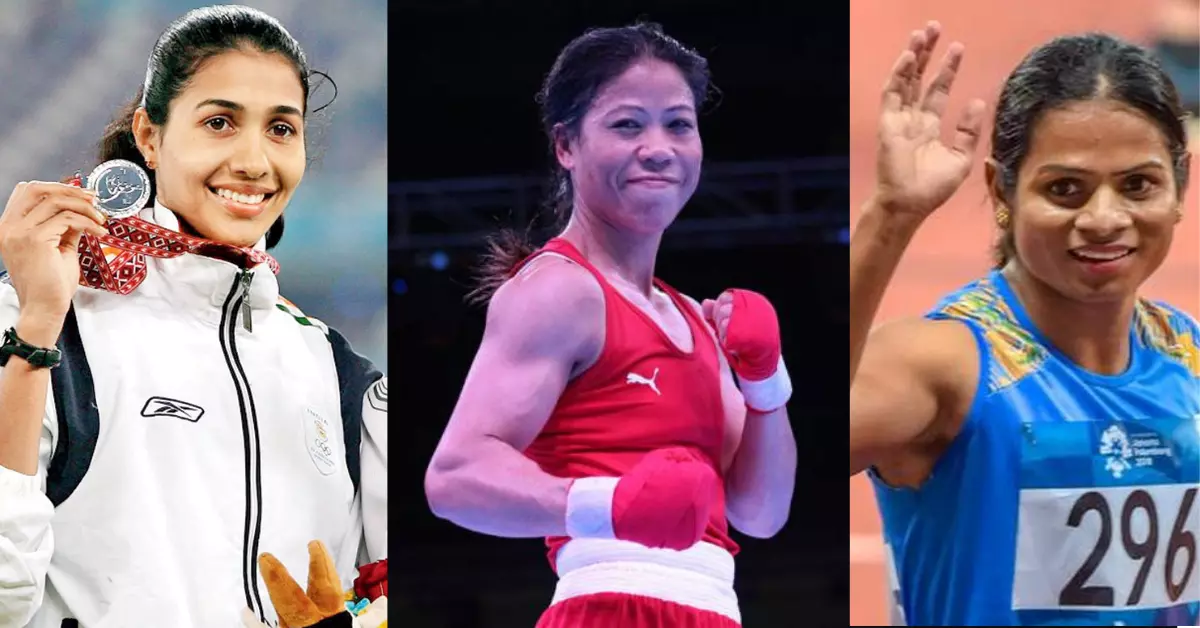
Given how much menstruation is a taboo topic in sports and general, it is important to have open and healthy conversations. Having a period during tournaments or while playing can be difficult, accompanied by fatigue and cramps. High intensive sports like gymnastics or athletics can also lead to athletic amenorrhea or frequent missed periods. In addition to physical discomfort, there is an impact on a player’s mental health as well. Fluctuations in hormones, stress and anxiety related to spotting on clothes/sport uniforms, fear of poor performance due to cramps also affect an athlete’s ability to perform, their self esteem and their mental health.
Gaining a better understanding about their bodies and menstruation will lead athletes to compete and play with confidence. It is also important for professionals and coaches to understand the impact of the menstrual cycle on exercise for females to ensure optimal health and prescribe training. Menstrual health literacy is low among some female athletes, at times their coaches and practitioners. Additionally, the study by Brown, Knight and Forrest (2021)’s research highlights that elite British female runners and rowers felt that their menstrual cycle impacted their training and performance. There are many variations in individual symptoms and it is important to take into account individual lived experiences and perceptions.
The study indicates that male coaches found it less important to have a conversation with female athletes about the topic. The paper emphasizes on the importance of coaches working in elite sport to have insights into individual variation in menstruation symptoms and its impact in performance. Open communication about the menstruation cycle, sharing knowledge can be crucial to improve athlete-coach relationships, and positively impact training and performance and reduce discomfort of discussing these topics. Normalizing it as a basic physiological process, teaching basic facts and correcting misconceptions may improve male coaches’ ability to respond on a more individual basis with their athletes, and adjust their attitudes if based on unequal ideas of male and female athletes’ potential. The paper suggests education material to empower male coaches to sensitively address issues of menstrual health with their female athletes, along with other issues including nutrition and strength training.
Additionally, prioritizing female coaches is necessary, to ensure success of sport and physical activity aiming to empower women. As coaches, they can strengthen their administrative and management skills over time to organize tournaments, supervise teams, and make decisions about conducting training and managing their practice.
It is also important to educate young women on misconceptions related to menstruation, the negative health effect that bad menstrual hygiene practices can have, encourage them to ask questions, move outside their homes while on their period, calculate their menstrual cycle, provide accessibility to sanitary products and awareness that girls can take back to their communities. This will also give them confidence in other arenas in their life to not drop out of sport/ education due to menstruation related discomfort or concerns. This will also protect their self worth, as it creates a space where girls’ perspectives are heard, they have a choice about their future and are open to more opportunities.
Menstrual health literacy should be viewed as a component of health literacy pertaining to menstrual health, encompassing physical, mental, social wellbeing.
Some programs that do this include Project Baala, which aim to transform menstrual health practices for economically weak women. Additionally, Common Goal, WASH United and Slum Soccer collaborated to develop a menstrual health management education guide, working with community organizations in the space of gender empowerment. They share skills, resources and expertise by training coaches and staff from football based organizations in India to implement their education guide.
Simply sport foundation launched an initiative in 2022 called Simply Periods, aiming to empower athletes and coaches to understand menstruation’s impact on athletic performance by providing education resources and material, online and offline workshops.
We also need to involve educators, coaches, parents, youth leaders, etc. to guide young people through the transition of puberty, creating safe spaces to normalize conversations and practices about body and gender. Using the right terminology about describing people who menstruate or in naming period products is important. We also need to build safe spaces for girls and women to play. The fear of wrong judgment, parental resistance and threats of harassment are issues that need to be overcome. When girls reach puberty, many of them are unaware of the changes happening in their bodies. Even while educating girls about menstruation and other important topics surrounding their body, they are in need of safe spaces where they can obtain information about reproductive health, managing menstruation, HIV/AIDS, etc. This would empower them with confidence and knowledge and improve self esteem, guiding them to make right choices in their lives.
REFERENCES:
- Brown, Natalie, Camilla J. Knight, and Laura J. Forrest. “Elite female athletes’ experiences and perceptions of the menstrual cycle on training and sport performance.” Scandinavian journal of medicine & science in sports 31, no. 1 (2021): 52-69.
- Desbrow, Ben. “Youth athlete development and nutrition.” Sports Medicine 51, no. Suppl 1 (2021): 3-12.
- De Soysa, Lilamani, and Sarah Zipp. “Gender equality, sport and the United Nation’s system. A historical overview of the slow pace of progress.” Sport in Society 22, no. 11 (2019): 1783-1800.
- McGawley, Kerry, Debby Sargent, D. Noordhof, Clair E. Badenhorst, Ross Julian, and Andrew D. Govus. “Improving menstrual health literacy in sport.” Journal of Science and Medicine in Sport 26, no. 7 (2023): 351-357.
- Dewes, Whaimutu. “Changing How We Talk about Young Women’s Bodies.” Newsroom, May 13, 2022. https://newsroom.co.nz/2022/05/13/changing-how-we-talk-about-young-womens-bodies/ .
- “Empowering Girls and Women through Sport and Physical Activity.” Women win. Accessed July 11, 2024. https://www.sportanddev.org/sites/default/files/downloads/empoweringgirlsandwomenthroughsportandphysicalactivityfinal.pdf.
- Latorre, Sara Chica, and Michael Pengelly. “Deficiency, Diet and Training: What Research Says about How the Menstrual Cycle Can Affect Athletes.” Scroll.in, August 8, 2023. https://scroll.in/article/1053558/deficiency-diet-and-training-what-research-says-about-how-the-menstrual-cycle-can-affect-athletes.
- Murawsky, Lisa Travella, and Global Nomad’s world. “The Female Athlete and Her Body: A New Age.” sportanddev.org, March 2, 2020. https://www.sportanddev.org/latest/news/female-athlete-and-her-body-new-age.
- “Organizations Partner on Sports Curriculum for Menstrual Health.” Beyond Sport. Accessed July 11, 2024. https://www.beyondsport.org/articles/organizations-partner-on-sports-curriculum-for-menstrual-health/.
- project baala, July 1, 2024. https://projectbaala.com/what-we-do/.
- Rather, Abdul Roof, Nazia Khan, and Abdul Kaisar. “SPORT WORKOUT AND PARTICIPATION ASSOCIATED MENSTRUAL PROBLEMS AMONG ADOLESCENT ATHLETES OF ALIGARH.” THE SKY-International Journal of Physical Education and Sports Sciences (IJPESS) 2 (2018): 12-22.
- Sever, Charlie. “Gender and sport: Mainstreaming gender in sports projects.” (2005).
- sportanddev.org community, and sportanddev Community. “A Displaced Girl’s Dilemma.” sportanddev.org , August 25, 2022. https://www.sportanddev.org/latest/news/displaced-girl%E2%80%99s-dilemma.
- sportanddev.org community, and sportanddev Community. “The Power of Sports and Life Skills.” sportanddev.org, August 12, 2021. https://www.sportanddev.org/latest/news/power-sports-and-life-skills#:~:text=Sport%20is%20a%20unique%20and,marginalised%20youth%20in%20today%27s%20age.&text=15%25%20of%20the%20world%27s%20population,aged%20between%2015%20to%2029.
- Tribesforgood. “Periods in Sports: Impact of Menstruation on Female Athletes.” TribesForGood, August 14, 2022. https://tribesforgood.com/periods-in-sports-impact-of-menstruation-on-female-athletes/.
- Watson, Sophie. “Going with the Flow: Menstruation and Rainbow-Inclusive Practices in the Outdoors.” Education Outdoors NewZealand, 2022. https://eonz.org.nz/assets/MiO-_final_16_3.pdf.
- Yu, Christine. “Silencing Period Talk Hurts Athletes.” Time, May 16, 2023. https://time.com/6279881/periods-sports-gender-bias/.
- Zipp, Sarah, Sasha Sutherland, and Lilamani de Soysa. “Innovative approaches to menstrual health and sport for development: Menstrual matters.” In Social Innovation, Entrepreneurship, and Sport for Development and Peace, pp. 189-201. Routledge, 2022.


