- AIF’s MANSI program is transforming rural health care in India by capacitating health workers, including Accredited Social Health Activists (ASHAs) and community health facilitators.
- By offering localized training and continuous support, AIF empowers them to improve maternal and newborn health outcomes, educate adolescent girls on anemia prevention and sexual and reproductive health, and combat malnutrition in remote regions.
- Stories of health workers like Somela Bangaramma, Maneesha, and Pallavi highlight the impact of these rural development programs.
Imagine walking miles every day– through rugged terrain or in the sweltering heat–because young lives were quite literally depending on you for survival. This is the daily reality of ASHAs–Accredited Social Health Activists–the true heroes of rural health care in India, who are supported by AIF’s Maternal and Newborn Survival Initiative as they work tirelessly to ensure that even the most remote corners of India receive vital medical care.
About MANSI
Launched in 2014, AIF’s Maternal and Newborn Survival Initiative (MANSI) is a community-focused public health intervention that aims to provide quality, affordable care to young mothers, newborns, and adolescent girls from some of India’s most vulnerable populations. Rural development programs like MANSI are crucial, as women and children in these remote locales are often at a significant disadvantage in receiving basic healthcare access and even knowledge. In fact, according to the National Family Health Survey (NFHS-5) for 2019–2021, the infant mortality rate in India was around 3.5%.*
Combating Maternal and Newborn Mortality
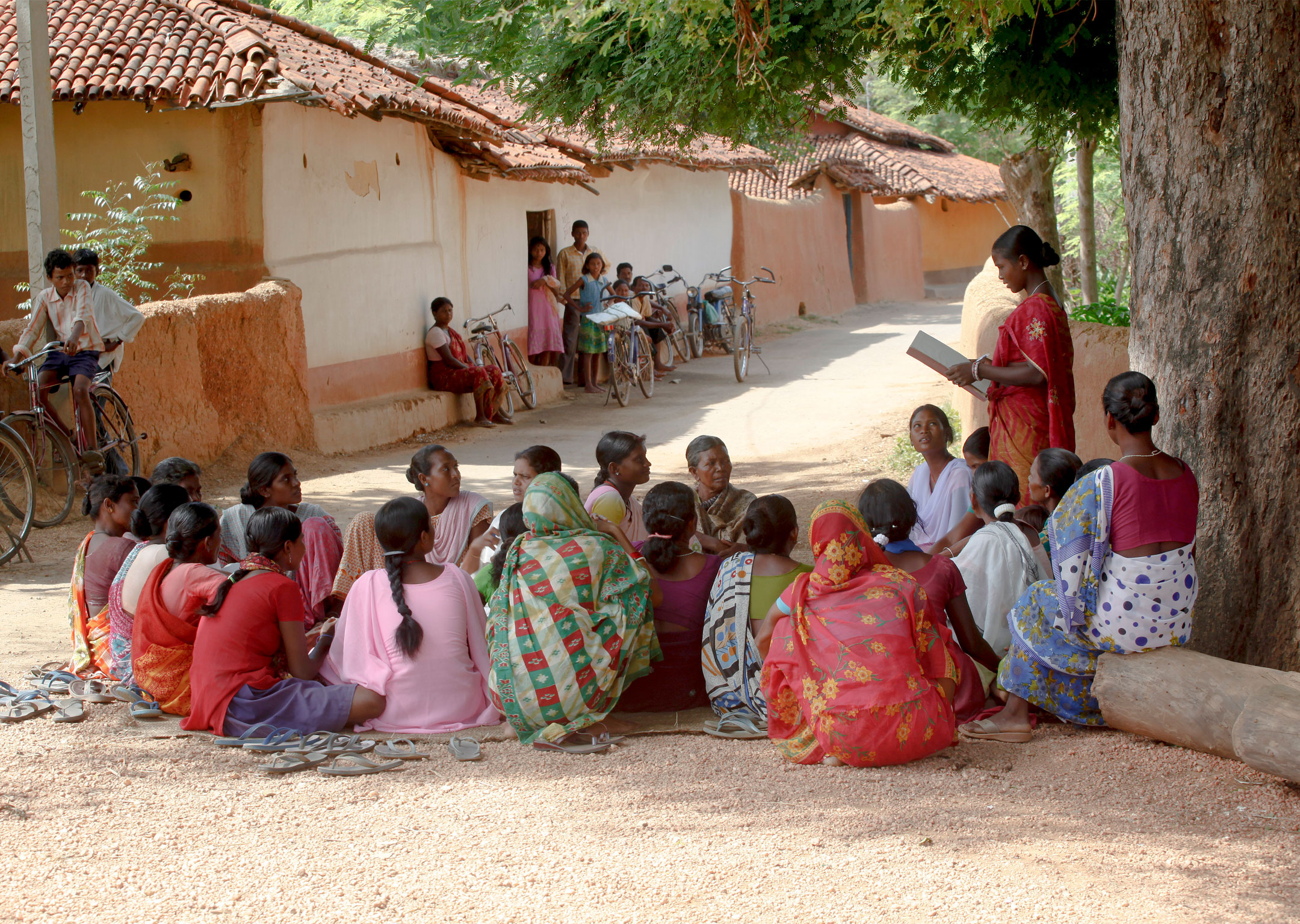
MANSI works with government bodies to support local frontline health workers, including ASHAs and Anganwadi Workers (AWWs), to bring low-cost interventions to rural health care in India. MANSI trained ASHAs provide home-based prenatal and postnatal care for pregnant women and, by being trained in the early identification and management of high-risk conditions for pregnant and nursing women, they can administer timely care or refer at-risk women to healthcare institutions to ensure safe deliveries. Additionally, as malnutrition and low birth weight continue to severely affect children and babies alike, MANSI workers also provide health and nutrition services at the household and community level. To date, MANSI has reached over 438,470 pregnant women, 320,130 newborns, and 199,790 children under five.
MANSI has also trained over 10,800 frontline workers–everyday superheroes driving real impact on the ground. Changemakers like Somela Bangaramma, a 54-year-old community health worker from Koyetiguda, Andhra Pradesh, have championed revolutions in maternal health in their villages. Somela is illiterate and has trouble understanding the government-administered ASHA trainings in Telugu and English. However, in 2017, under MANSI, Somela was trained in her local language and even used a flipbook they provided to educate mothers on proper newborn care. Since then, Somela has achieved a 100% rate of institutional deliveries, combating long-standing myths and improving healthcare practices in her community.
Providing Sexual Health Education & Anemia Prevention to Adolescent Girls
MANSI also cultivates open dialogues with adolescent girls aged 10-19 around reproductive health, offering sessions on menstrual hygiene, contraception, and general sexual education. Additionally, as anemia continues to disproportionately affect young girls in India, MANSI-trained ASHAs also counsel young girls on healthy dietary choices and offer iron supplementation when necessary. MANSI has reached over 97,900 adolescent girls–and counting.
Proper anemia prevention is especially critical for young expectant mothers, as in the case of 28-year-old Gulista. Two MANSI-trained ASHAs, Maneesha and Rachna, counseled Gulista, who had moderate anemic conditions, throughout her pregnancy. Despite family resistance, Maneesha and Rachna’s continuous efforts ensured that Gulista had a safe institutional delivery. Furthermore, when Gulista’s baby, Haniya, was born with low birth weight, Maneesha and Rachna were able to swiftly teach Gulista how to breastfeed and help baby Haniya gain weight. Unfortunately, things took a turn for the worse when baby Haniya was diagnosed with cataracts and squinted eyes at just three months old. However, our ASHA superheroes, Maneesha and Rachna, were able to get Haniya the necessary treatment at a low cost. After a cataract operation and the implantation of permanent artificial lenses in her eyes, Haniya can now explore her world clearly, as every baby should.

Community-Based Transformation
These stories are just a few examples of how thousands of ASHAs and health workers across India are transforming lives through rural development programs like MANSI. By operating at the community level, MANSI’s work is also creating a larger ripple effect in addressing and shifting social stigmas around female health, enabling young women to lead healthy lives on their own terms.
Learn more about MANSI and how you can support AIF’s efforts to deliver quality rural health care in india. Watch a video of AIF’s recent mission trip to visit MANSI program sites.


